Best for
Teams with too many manual handoffs, inconsistent tasking, or stage chaos inside the CRM.
Real estate CRM automation turns the CRM from a passive database into an active operating system. The goal is simple: route new leads faster, assign the right tasks automatically, keep stages clean, and reduce the admin work that causes pipeline confusion.
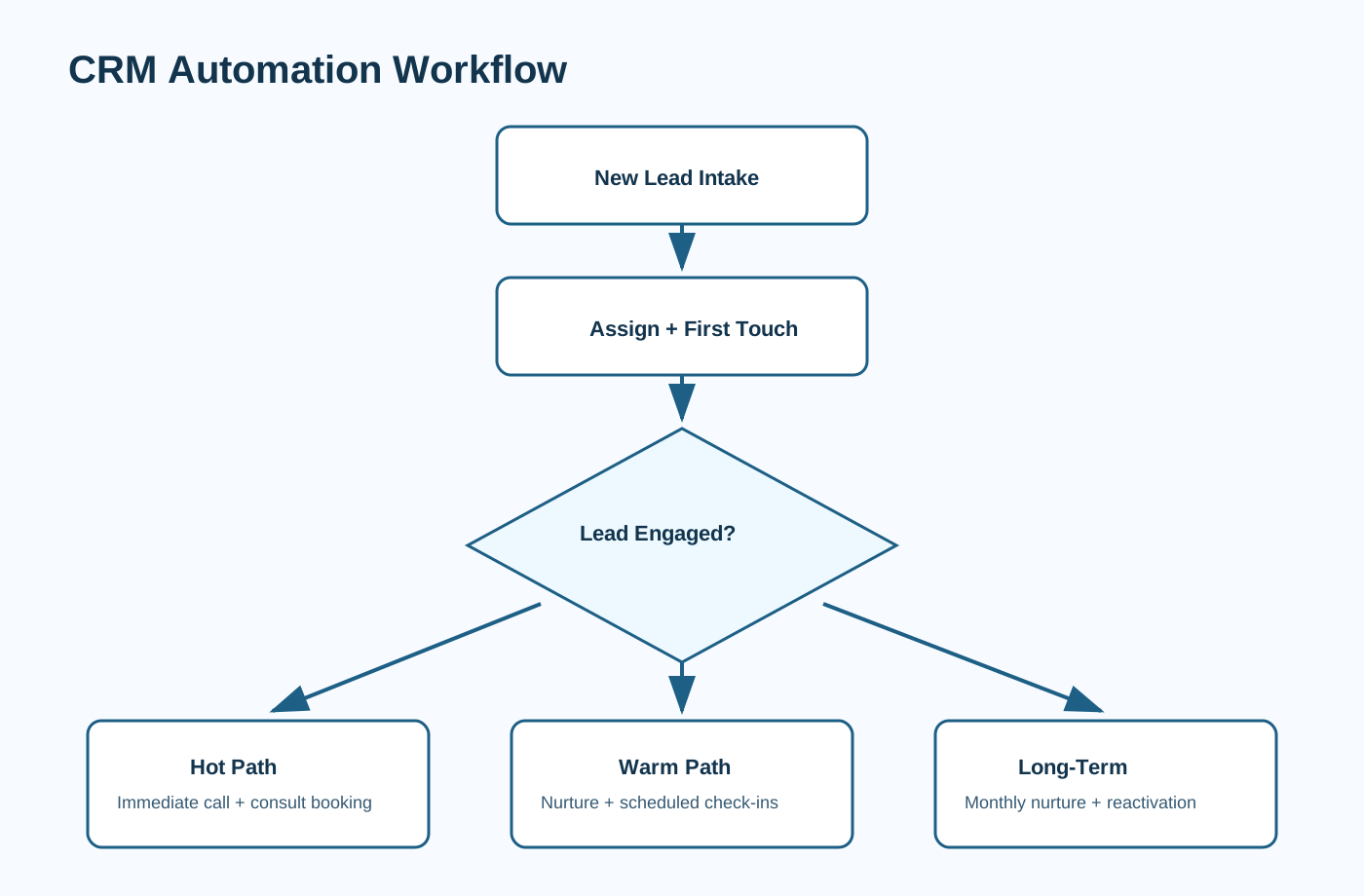
A practical real estate CRM automation setup should capture leads from forms and sources, assign ownership immediately, create the next action automatically, update stages based on real activity, and keep the right people in nurture until they are ready for live follow-up.
Teams with too many manual handoffs, inconsistent tasking, or stage chaos inside the CRM.
Cleaner operations, better visibility, and fewer leads getting stuck between systems or owners.
Lead capture, assignment, due-time tasks, and basic stage rules before scoring models or fancy branching.
This page should quickly answer the keyword intent: not just what CRM automation is, but how it should behave in a modern real estate workflow.
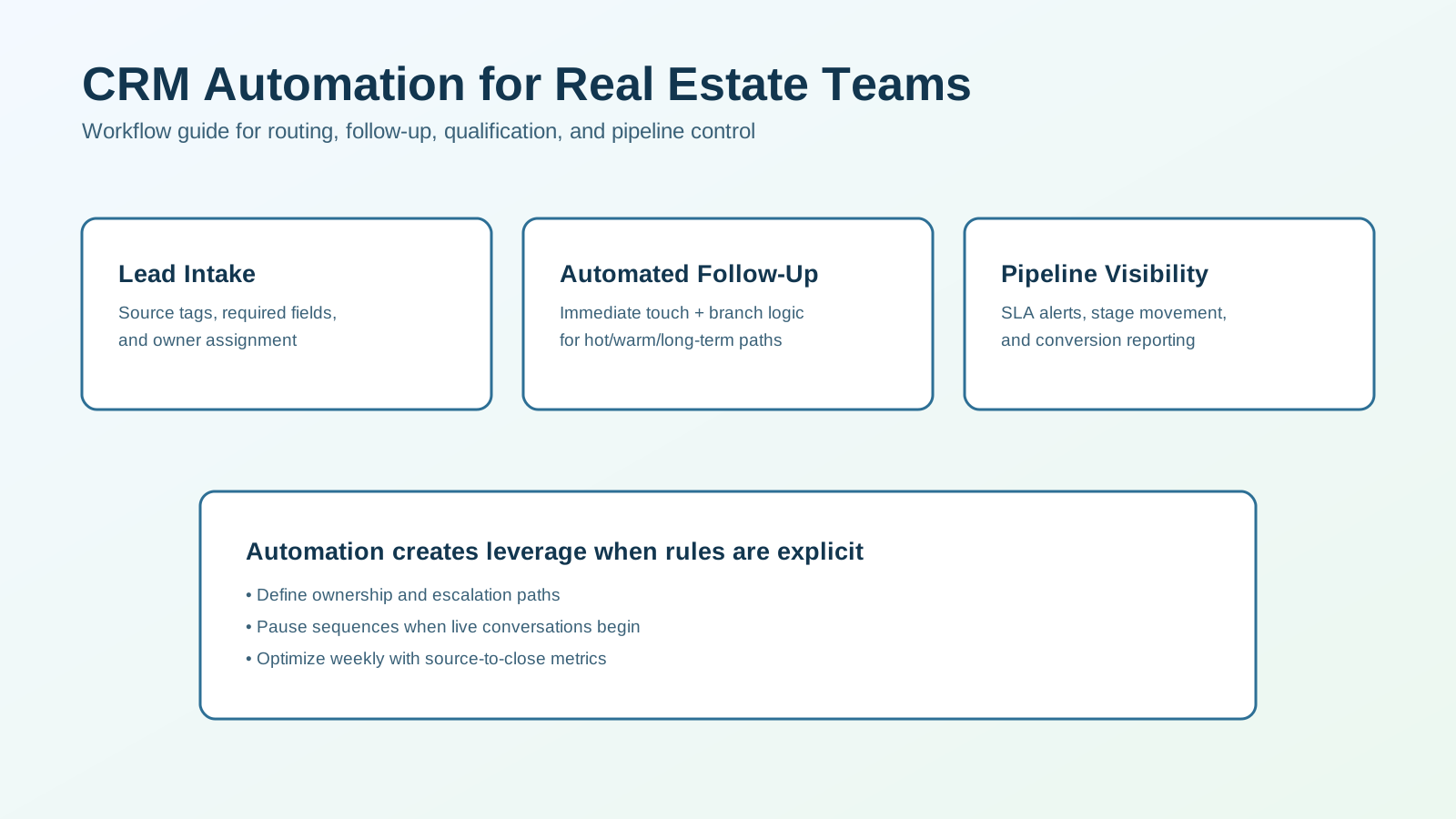
Every form, portal, or campaign lead should enter the CRM in a consistent format with useful source data.
Routing rules should decide who owns the next step based on territory, source, team structure, or lead type.
The CRM should create tasks, alerts, and follow-up enrollment automatically instead of waiting for manual admin.
Pipeline stages should move when real milestones happen, which keeps reporting and forecasting more trustworthy.
A useful CRM setup is not just reminders and tags. It connects forms, lead sources, routing rules, status updates, and nurture triggers so your real estate team operates from one reliable system of record.
The goal is not more automation for its own sake. The goal is fewer dropped handoffs, faster response, and cleaner execution across the lifecycle of a lead.
Searchers looking for real estate CRM automation want more than a vague explanation. They usually want to understand the workflow, the business outcome, and the first practical setup steps.
By answering the operational question first and linking deeper into tools, workflows, and follow-up systems, the page is more useful to both readers and search engines.
Real estate CRM automation connects lead capture, assignment, follow-up tasks, stage changes, and nurture workflows so the CRM actively supports execution instead of just storing contact records.
Start with source capture, owner assignment, task creation, and basic stage movement. Those usually create the fastest operational gains before advanced scoring or branching logic.
Yes. Better routing, faster response, and cleaner follow-up execution usually reduce missed handoffs and improve how quickly qualified leads move through the pipeline.
Track response time, task completion, reply rate, stage progression, qualification rate, and conversion by source so the CRM reflects real operating performance.