Introduction
Many real estate teams confuse drip campaigns with mass messaging.
A real drip system is not just a calendar of scheduled sends. It is a stage-based workflow that helps leads move toward the next meaningful action.
That is what makes real estate drip campaign automation useful when designed correctly.
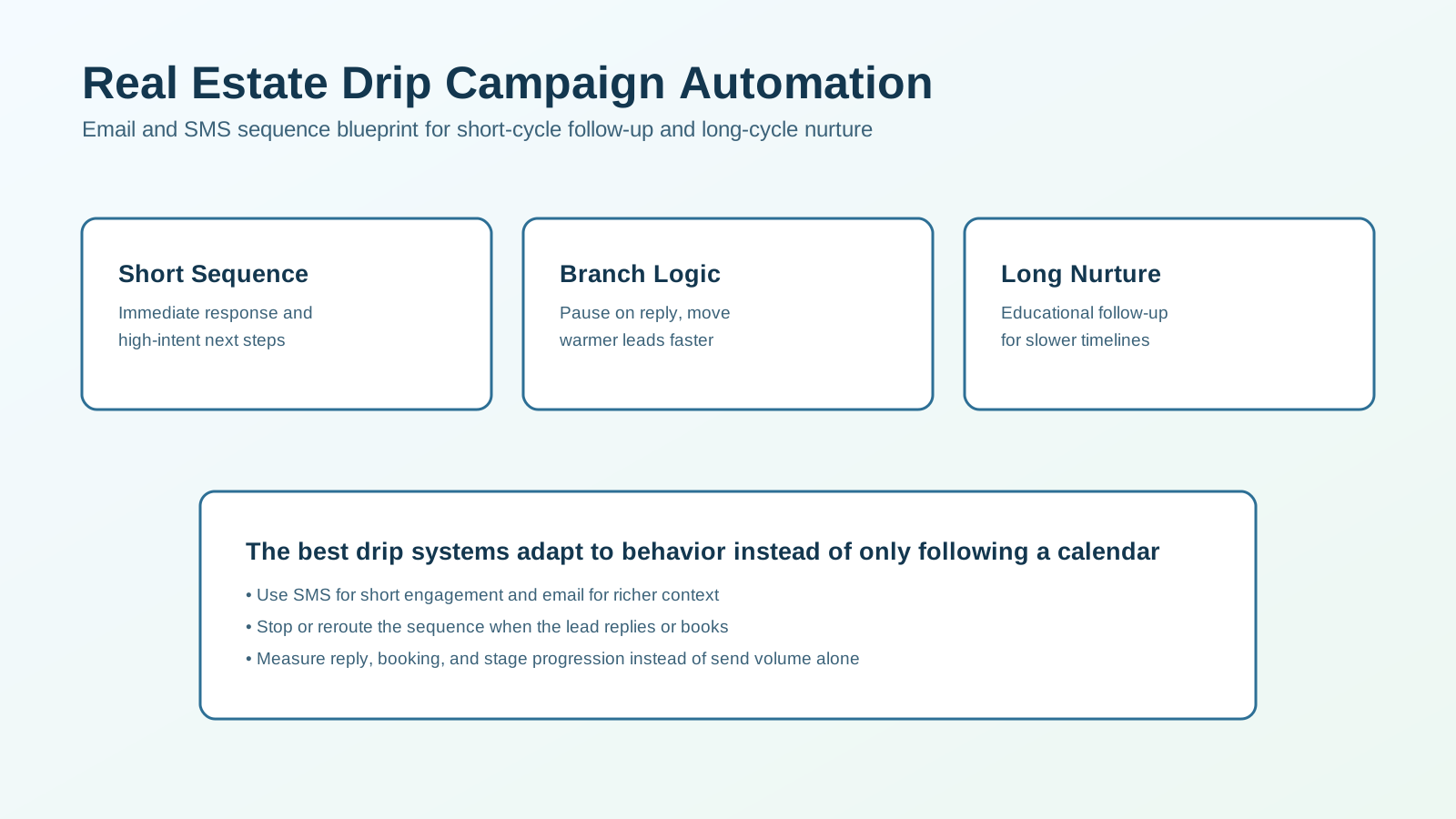
This guide outlines a practical email plus SMS blueprint you can use for buyer and seller nurture without overwhelming leads or creating robotic communication.
For more implementation-focused content in this category, see Automation Workflows.
What a Drip Campaign Should Actually Do
A strong drip workflow should:
- enter leads into the right sequence by stage,
- mix channels intentionally,
- pause when behavior changes,
- route responses to the right owner,
- measure progression instead of activity alone.
If your sequence only sends messages on a timer, it is incomplete.
Recommended Sequence Structure
Use a two-layer model.
Layer 1: High-Intent Short Sequence
Run this in the first 7-10 days after inquiry.
Goal:
- confirm interest
- clarify timeline
- create a conversation
- book a next step
Suggested rhythm:
- Day 0: immediate SMS or email acknowledgment
- Day 1: value-driven follow-up
- Day 3: short check-in by alternate channel
- Day 6: direct next-step invitation
Layer 2: Long-Cycle Nurture Sequence
Use this for leads who are interested but not ready.
Goal:
- stay relevant
- educate over time
- reactivate at the right moment
Suggested rhythm:
- weekly for 2-4 weeks
- then biweekly or monthly depending on timeline
Email + SMS Role Split
Use email for:
- more detailed explanations
- listing or market roundups
- seller update structure
- longer educational nurture
Use SMS for:
- quick acknowledgment
- light check-ins
- reminder prompts
- appointment confirmation
Using both channels well creates balance. Overusing either channel reduces trust.
Basic Branch Logic
Every drip campaign should branch based on behavior.
If the lead replies
- pause automated sequence
- create agent follow-up task
- log the reply and stage update
If the lead clicks or engages
- move to warmer segment
- trigger more direct next-step prompt
If the lead ignores all early touches
- slow the cadence
- shift toward lower-pressure nurture
If the lead books
- exit the drip
- trigger appointment workflow
This is why drip automation is closely related to Real Estate Appointment Setting Automation: From Inquiry to Showing.
Sequence Blueprint Example
| Day | Channel | Goal | Message type |
|---|---|---|---|
| 0 | SMS | Acknowledge inquiry | quick, helpful first touch |
| 1 | Add value | short market or property context | |
| 3 | SMS | Re-engage | one easy question |
| 6 | Invite next step | showing, consult, or reply | |
| 10 | SMS | Final short-cycle check | timeline or preference prompt |
Then move to slower nurture if no strong signal appears.
Content Themes That Work Well
Use nurture messages around:
- local market updates
- buying or selling process education
- listing recommendations
- financing preparation
- timing considerations
- common client mistakes to avoid
The objective is to remain useful, not just visible.
For drafting support, pair this workflow with 25 Real Estate Email Prompts for ChatGPT.
Common Drip Campaign Mistakes
Mistake 1: Sending the Same Sequence to Everyone
Fix: segment by stage, intent, and timeline.
Mistake 2: No Pause Rules
Fix: stop or reroute when the lead replies, books, or opts out.
Mistake 3: Too Much Copy
Fix: keep most messages short and action-oriented.
Mistake 4: Measuring Sends Instead of Outcomes
Fix: track reply rate, booking rate, and stage progression.
KPI Dashboard
Track these metrics weekly:
- reply rate by sequence
- click or engagement rate
- appointment booking rate
- unsubscribe or opt-out rate
- conversion by lead source and sequence path
These are the numbers that tell you whether nurture is moving deals forward.
Conclusion
The best real estate drip campaign automation is not a longer sequence. It is a smarter one.
Use email and SMS differently, branch by behavior, and measure whether the workflow creates conversations and appointments.
That is what turns drip campaigns from background noise into a useful operating asset.