Best for
Teams running campaigns regularly but struggling to connect execution, nurture, and pipeline outcomes.
Real estate marketing automation connects campaigns, nurture timing, CRM handoff, and reporting so more marketing activity turns into qualified conversations. It is most valuable when the team already creates content and campaigns, but execution still feels fragmented.
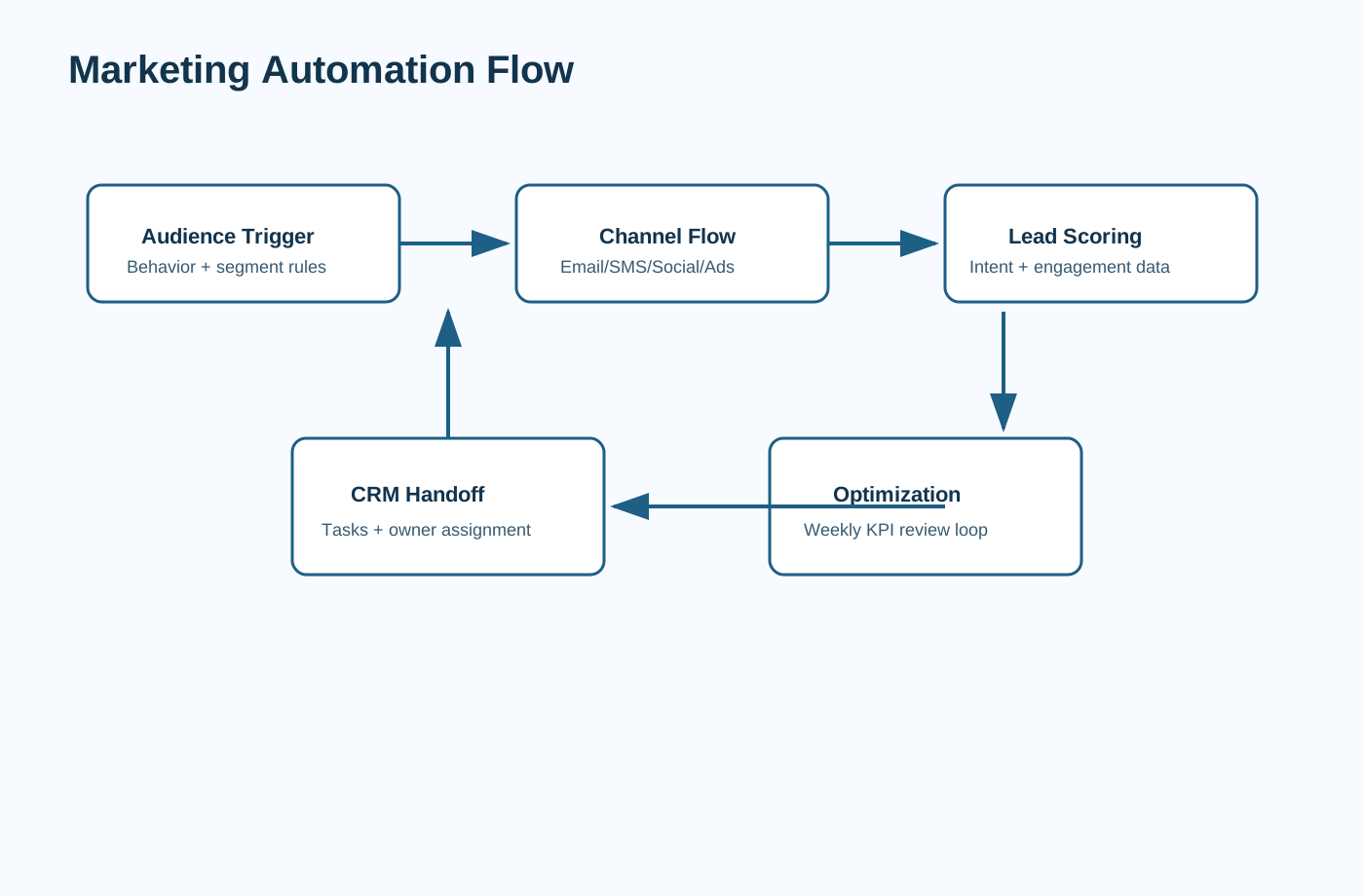
A good real estate marketing automation system should segment the audience, trigger the right campaign, coordinate follow-up across email, SMS, social, or tasks, and send engaged leads into the CRM with enough context for sales follow-up to continue without friction.
Teams running campaigns regularly but struggling to connect execution, nurture, and pipeline outcomes.
More reliable campaign execution and better conversion from marketing activity into qualified opportunities.
Audience entry rules, campaign sequencing, handoff triggers, and weekly reporting loops.
Readers should be able to understand the core operating idea quickly: campaigns are not just content pushes, they are structured workflows with triggers, branches, and handoff logic.
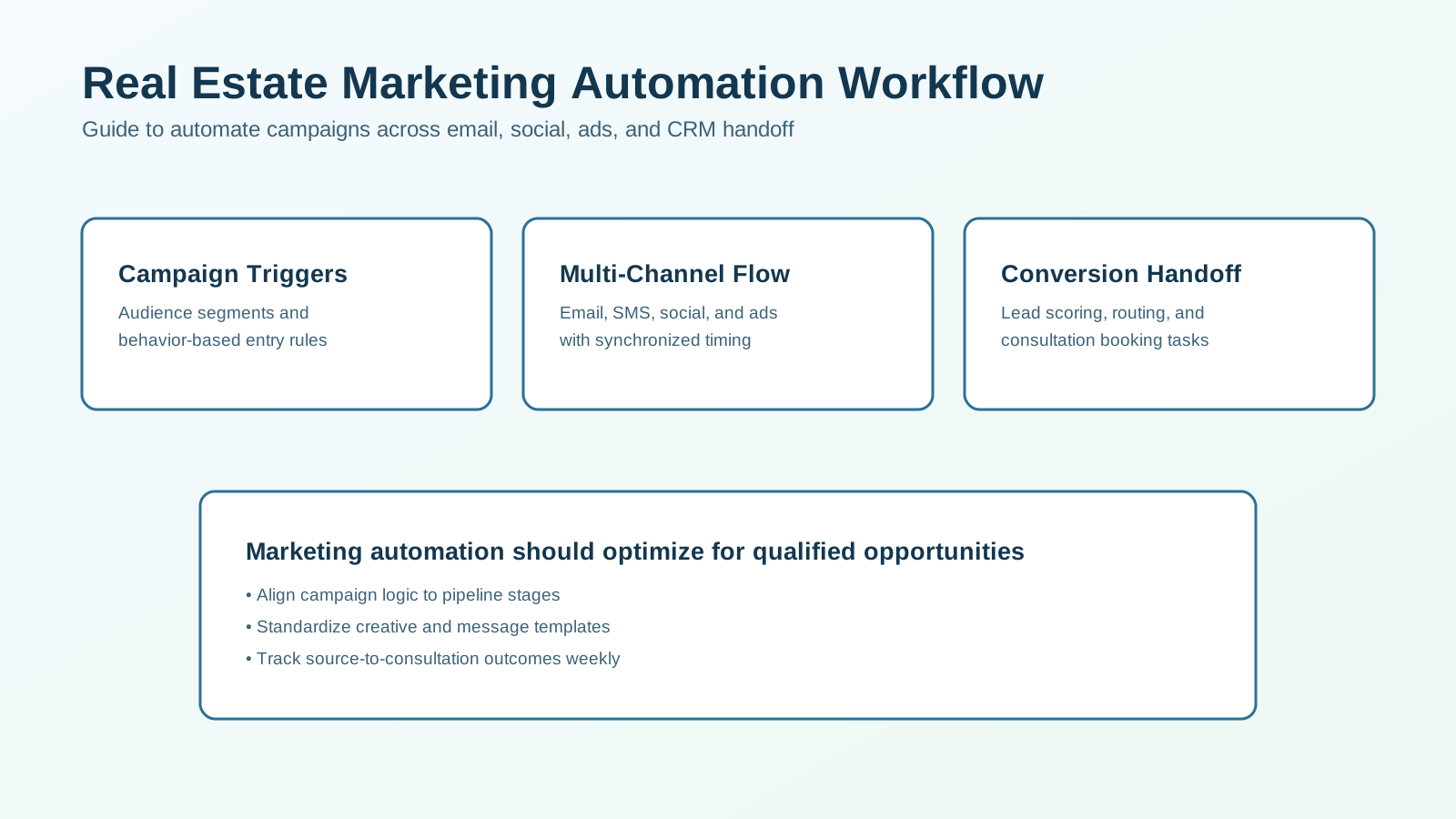
New inquiries, open house attendees, listing watchers, and dormant leads should not enter the same flow.
Email, SMS, social prompts, and CRM tasks should work together on a practical timeline instead of in isolation.
When the lead engages meaningfully, the workflow should create the right human next step with context attached.
The system should produce enough reporting to improve message timing, segmentation, and conversion quality over time.
Many teams can create campaigns, but they struggle to coordinate what happens after launch. Message timing slips, follow-up ownership gets fuzzy, and reporting arrives too late to improve results.
Real estate marketing automation works best when it is tied directly to operational workflows, not isolated inside a newsletter tool or social scheduler.
Someone searching for real estate marketing automation usually wants a system view, not just a surface definition. They want to know what the workflow includes, what results it should improve, and which parts are worth automating first.
This structure gives the short answer near the top, then expands into implementation detail for readers who want more depth.
It is a connected workflow that triggers campaigns, coordinates messages across channels, routes engaged leads into CRM follow-up, and tracks which activities create qualified opportunities.
A practical system includes audience segmentation, campaign entry rules, email or SMS sequencing, CRM handoff logic, nurture paths, and reporting tied to qualified outcomes.
It becomes useful once the team already runs campaigns or publishes content regularly and needs more reliable execution, handoff, and reporting across channels.
Track response rate, qualified lead rate, consultation bookings, conversion by campaign, and source-to-client performance to see whether the workflow improves real business results.